

How your gut is the foundation of a strong immune system
What is the gut microbiome?
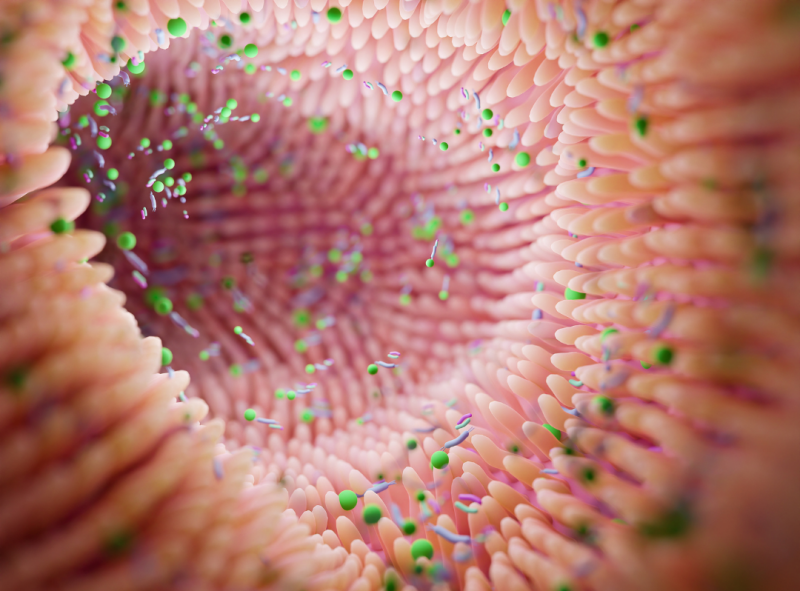
The gut microbiome is a complex ecosystem of trillions of microbes living in your gastrointestinal tract.
Why it matters:
These microbes help digest food, produce key nutrients, support metabolism, and modulate the immune system.
Your immune health is not just in your bloodstream; it starts in your gut.
The Immune System & the Microbiome
Your gut microbiome influences the immune system by:
✔ Training immune cells
✔ Modulating inflammation
✔ Promoting defence against pathogens
💡 In fact, ~70% of your immune system lives in your gut-associated lymphoid tissue (GALT), which continuously interacts with microbiota.
What Is Dysbiosis?
Dysbiosis = an imbalance in gut microbial communities.
This can result from:
🔥 Poor diet
💊 Antibiotics
😴 Stress
🚬 Smoking
And more
In dysbiosis, beneficial microbes ↓ and harmful ones ↑, destabilising immune balance.
How Dysbiosis Impacts Health
Dysbiosis may contribute to:
- Chronic inflammation
- Autoimmunity
- Allergies
- Poor vaccine responses
- Increased infection risk
Good Bacteria = Good Immunity
Beneficial microbes help by producing short-chain fatty acids (like butyrate) that:
• Strengthen gut barrier
• Reduce inflammation
Supporting regulatory immune pathways
Competing with pathogens
Nutrition for a Healthy Gut
Top food strategies:
🥬 High-fibre foods (prebiotics)
• Vegetables, legumes, oats, whole grains
🍎 Polyphenol-rich foods
• Berries, tea, cocoa
🧄 Fermented foods
• Yogurt, kefir, kimchi
⚖️ Diverse diet = diverse microbiome
Lifestyle Matters Too
Beyond food:
🛌 Quality sleep
🚶 Regular movement
🧠 Stress management
🚭 Avoid smoking
These factors also shape your gut microbiome and immunity.
Key Takeaway
Your immune system is not isolated
🌿 It’s shaped daily by your gut microbiome.
Healthy habits = balanced gut = stronger immunity
Your gut is your immune partner.
Evidence:
- Dietary fibre increases microbial diversity and short-chain fatty acids (Makki et al., 2018).
- Dysbiosis is linked to chronic inflammation and impaired immune responses (Lopetuso et al., 2018).
- Gut microbiota alterations are observed in autoimmune diseases and allergies (Lynch & Pedersen, 2016).
- Gut microbes regulate both innate and adaptive immune responses (Thaiss et al., 2016)
- Microbiota and immune system co-develop from infancy and stay connected throughout life (Belkaid & Hand, 2014).
- Short-chain fatty acids modulate immune function and protect gut integrity (Koh et al., 2016).
- Sleep and exercise positively influence microbial diversity and immune health (Benedict et al., 2016).
Create Your Own Website With Webador